
For many engineering teams, milling is the assumed route for prismatic components. Flat sides and complex geometry naturally lead to the use of milling machines.
However, in an environment where cost control, lead time and repeatability are increasingly important, it is worth questioning whether milling delivers the best solution for precision machining of prismatic components.
The question is not whether a component can be milled, but whether it should be. With modern turning centres capable of producing intricate prismatic features in a single setup, assumptions about ‘how it’s made’ are being reconsidered.
Multi-axis CNC turning centres are gaining traction as viable, and often superior, solutions for the manufacturing of prismatic parts.
At C&M Precision Ltd, we continue to invest in advanced multi-axis turning technology from Citizen Machinery UK to offer a faster, more cost-effective alternative to traditional milling routes. The results speak for themselves!
The Traditional Milling Route
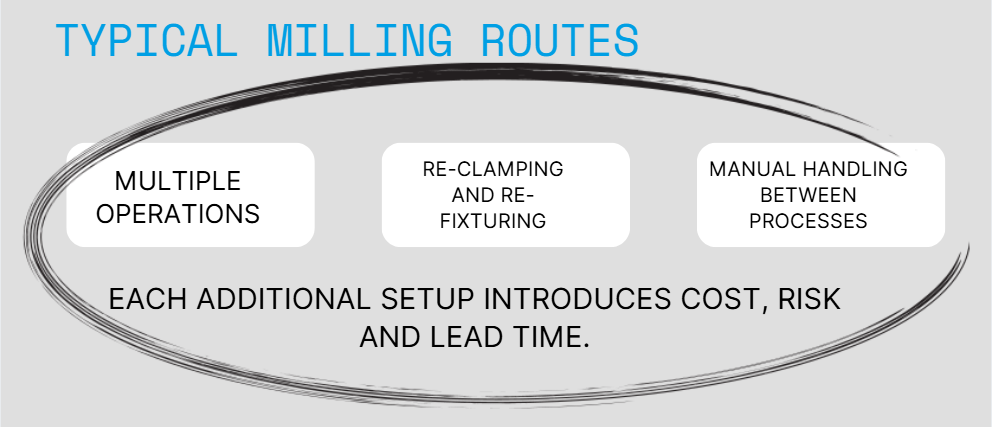
Every additional setup introduces extra handling, labour time and the potential for error. As parts move through different fixtures and machines, small deviations at each stage can influence the final outcome, causing the part to fail quality control checks.
Conventional milling strategies for prismatic components often involve multiple setups, re-clamping, secondary operations and movement between machines or departments. Each stage may be individually well controlled, but the overall process can become fragmented.
While milling machining centres are highly capable, the structure of the route itself can introduce inefficiencies which increase cost, risk and lead time.
The limitation is not milling machine capability, but the way the workflow is structured.
The Alternative
Multi-Axis Turning in ONE HIT Using Citizen Miyano Machines
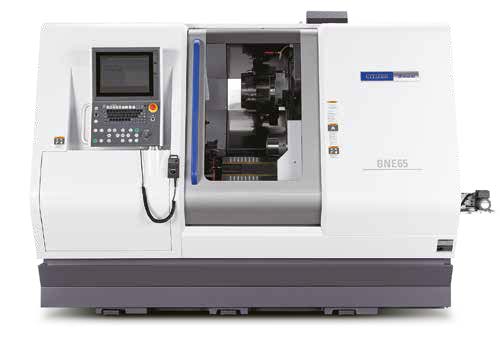
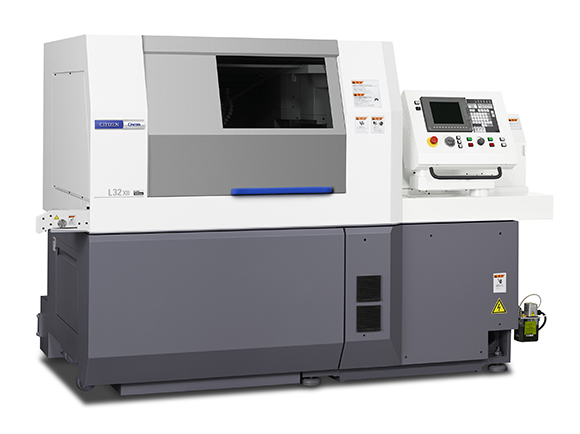
Advances in multi-axis sliding head technology have changed what is possible within a single machining cycle. Modern platforms integrate turning, milling and drilling operations into one synchronised process, allowing complex geometry to be produced directly from bar.
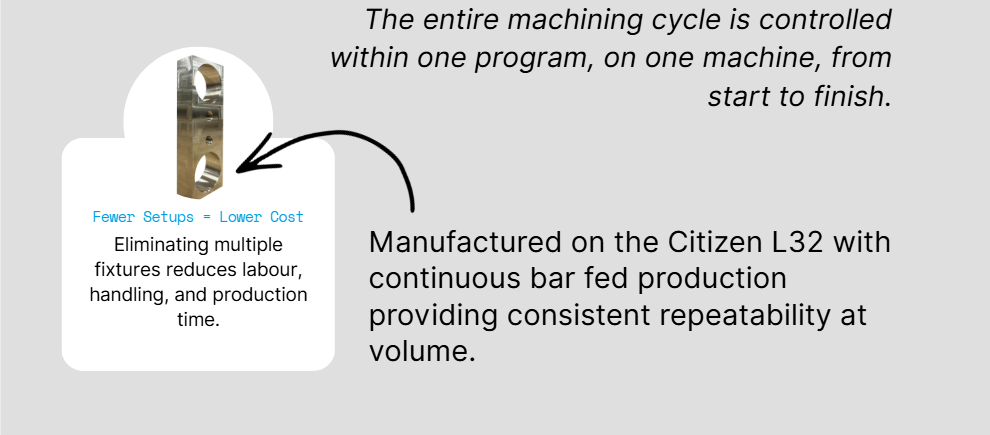
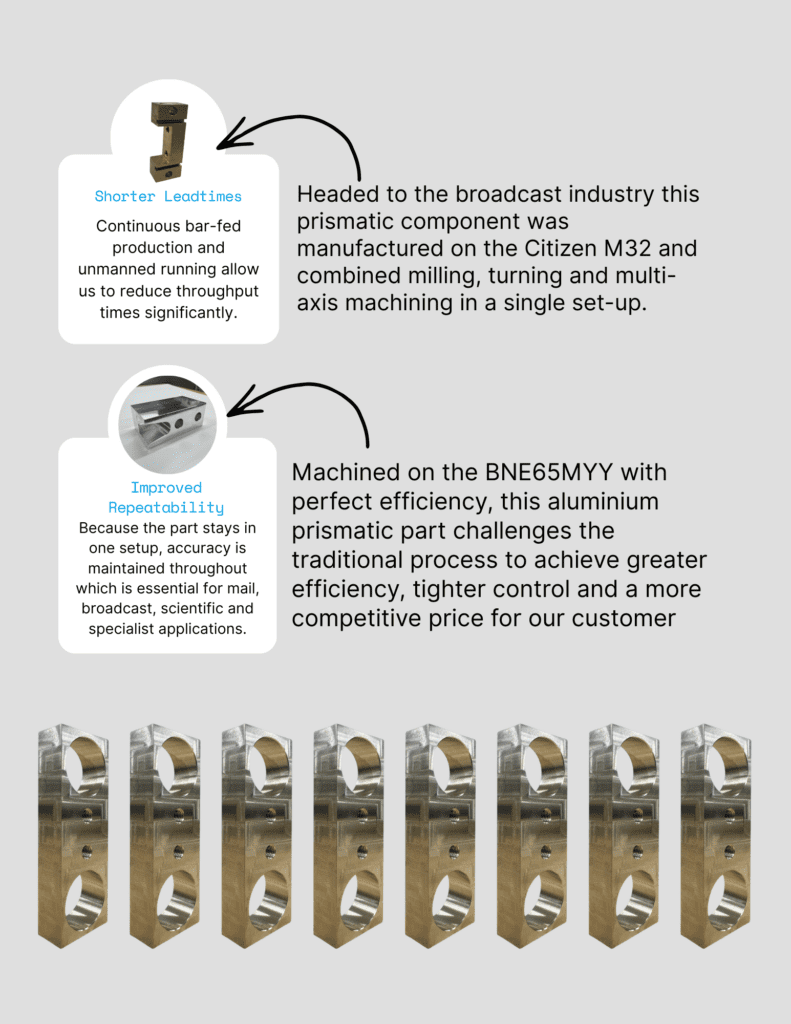
By engineering the component around this capability, many prismatic parts can be completed in a single setup. Features that might traditionally require re-clamping or transfer to another machine can be incorporated within the same controlled cycle.
The result is a consolidated manufacturing process: one program, one machine, and one continuous operation from raw material to finished component.
This approach removes the need for re-clamping, re-fixturing and eliminates all handling.

When Process Assumptions Go Unchallenged
In many cases, the chosen manufacturing route is inherited from previous designs, legacy or established supplier habits. Once a component has historically been milled, that route often continues without reassessment. However, machining capability has evolved significantly. What may have required multiple operations a decade ago can now be achieved within a single integrated cycle.
Periodic review of the manufacturing process is not about replacing milling, it is about ensuring the method still aligns with current capability, cost pressures and delivery expectations.
The question is not whether milling can produce the part, but if it can produce the part perfectly at a lower cost for the customer.
As John Cable, Managing Director of C&M Precision, explains:
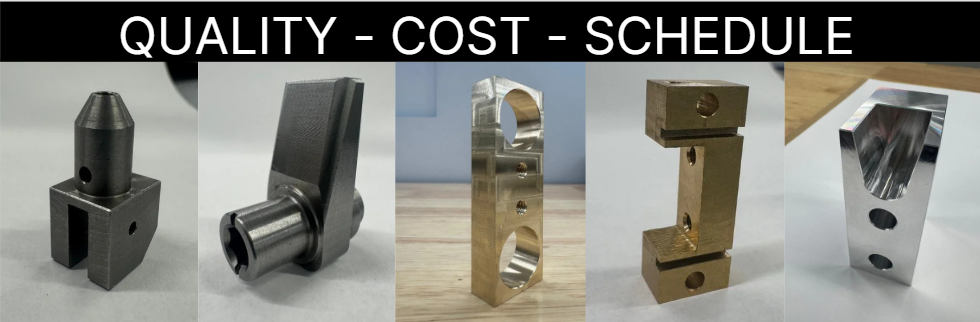
“We recently produced a series of prismatic components for the mail and other industries. Conventional thinking would have directed these jobs to a machining centre. Instead, C&M were chosen because we can provide lower cost per unit, consistent repeatability and on-time delivery, all within a single controlled cycle.”
When Is It Not Suitable?
Multi‑axis sliding head machining is highly capable, but like any process it operates within defined engineering limits.
Key considerations include:
- Maximum bar diameter capacity
- Overall component size relative to bar capacity
- Length‑to‑diameter ratio

Re‑Evaluating the Route
As cost pressures and manufacturing demands increase, efficiency becomes more and more important.
For prismatic components, the decision is not just between milling and turning. It is about how efficiently the complete part can be produced, from raw material to finished component.
A review of the manufacturing process can improve commercial performance, reducing the cost per part for customers.
For Tier One suppliers operating in high-volume, high-accountability environments, repeatability is essential. Delivery schedules are fixed, quality is tightly controlled, and performance is measured across entire programmes, not individual parts.
Multiple setups create unnecessary variation and add time to the process. Each additional fixture increases handling, inspection requirements and the risk of tolerance stack-up. The result is reduced production stability.
By consolidating operations within advanced multi-axis turning platforms, many prismatic components can be produced in ONE HIT. This supports consistent output at scale, aligning with the demands of Tier One level businesses.
As expectations around traceability, cost transparency and on-time delivery continue to rise, manufacturing strategy becomes a competitive differentiator.
If you’re currently sourcing prismatic components and experiencing:
- Long lead times
- Escalating machining costs
- Inconsistent repeatability
- Excessive handling or secondary operations
It may be worth challenging the traditional milling route.
The right combination of expertise, programming skill, and multi-axis capability can unlock a more efficient manufacturing strategy.